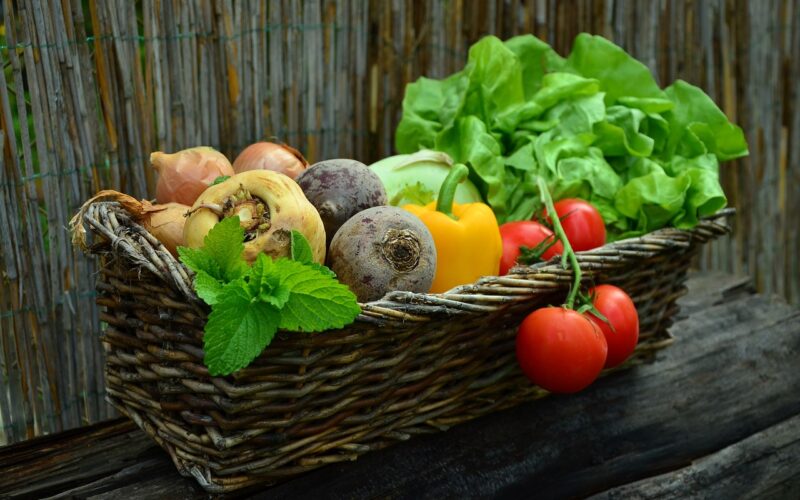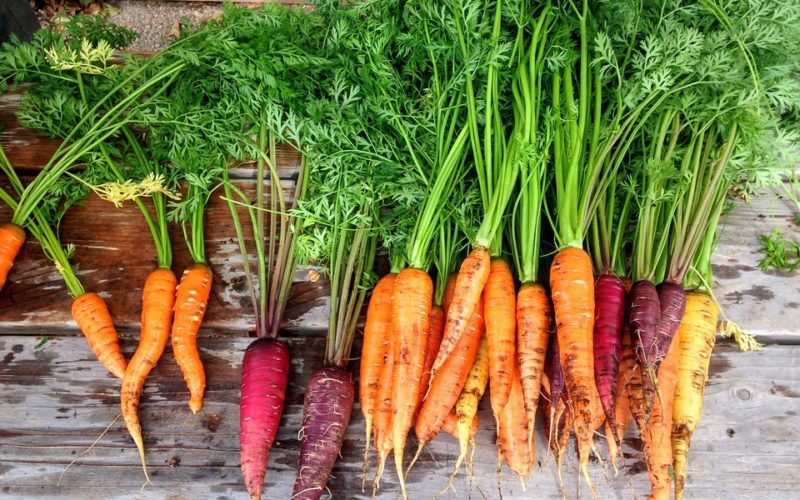
Fresh vegetables are one of the best things you can put on your plate. They're packed with vitamins, minerals, and fibre that support everything from digestion to immunity. Yet for many people, the effort involved in buying, storing, and preparing fresh produce feels like too much of a barrier — particularly on busy weekdays when time is short and convenience wins.
Why fresh veg gets left behind
The appeal of pre-packaged or processed foods isn't hard to understand. They're quick, consistent, and require minimal effort. Fresh vegetables, by contrast, need to be sourced regularly, stored correctly, and used before they spoil. For households without easy access to quality produce, or those simply pressed for time, fresh veg can start to feel more like a chore than a benefit.
Simple strategies that actually work
The good news is that making fresh vegetables a regular part of your diet doesn't require a complete lifestyle overhaul. Batch prepping at the start of the week — washing, chopping, and storing veg in airtight containers — can dramatically cut down on daily prep time. Roasting a large tray of mixed vegetables on a Sunday means you have a ready-made base for meals throughout the week, from grain bowls to frittatas to quick stir-fries.
Frozen veg: a worthy ally
It's worth noting that frozen vegetables are a genuinely healthy option, often nutritionally comparable to fresh. They're harvested at peak ripeness and frozen quickly, locking in nutrients that might otherwise degrade during transport or storage. Keeping a well-stocked freezer means you always have options available, even when fresh supplies run low. Combining fresh and frozen veg throughout the week is a practical, balanced approach that works for most households.
Getting the most from what you buy
Reducing waste is just as important as buying fresh in the first place. Planning your meals ahead of time helps ensure that what you purchase actually gets used. Vegetables that are approaching the end of their shelf life can be blended into soups, added to sauces, or roasted and stored for later. Even vegetable offcuts — onion skins, carrot tops, celery leaves — can be used to make a flavourful stock. Small habits like these make fresh produce go much further.
Building long-term habits
Consistency matters more than perfection. Rather than overhauling your diet all at once, try introducing one or two additional servings of vegetables per day and building from there. Swapping processed snacks for sliced cucumber, peppers, or cherry tomatoes is a small change that quickly becomes routine. Over time, these incremental shifts add up to meaningful improvements in overall health and energy levels.
Making it work for you
The convenience vs. health debate doesn't have to be a battle. With a bit of planning and a flexible approach, fresh vegetables can fit comfortably into even the busiest of routines. The key is finding strategies that suit your lifestyle rather than forcing habits that feel unsustainable. Start small, be consistent, and let the benefits speak for themselves.