Very few people have ever genuinely craved a bowl of watery boiled broccoli, and if that is your mental image of healthy eating, here is the liberating truth: the vegetable was never the problem, the cooking was. Generations grew up on vegetables boiled into grey submission and understandably concluded that eating well means eating dull, while the snack industry spent those same decades perfecting flavour with something close to scientific precision. The gap between a crisp, salty snack and a plate of greens is not a law of nature but a difference of technique, and technique is something anyone can learn. Vegetables cooked with the same care the snack industry lavishes on its products can hold their own against almost anything in a packet.
Steal the enemy's playbook
Junk food is engineered around a handful of levers: fat, salt, sweetness, browning and crunch, delivered together so the first bite demands a second. There is no rule reserving those levers for factories. Vegetables respond to every one of them — they contain natural sugars that caramelise, they carry fat and salt beautifully, and many will crisp given the chance. The healthy-eating mistake of the past fifty years was treating flavour as cheating, serving vegetables plain as a kind of penance. Cook them instead as though they deserve the effort, using the very tricks that make fried food irresistible, and the contest becomes surprisingly fair — with the small difference that one side is also full of fibre, vitamins and almost no calories worth worrying about.
Heat is the great transformer
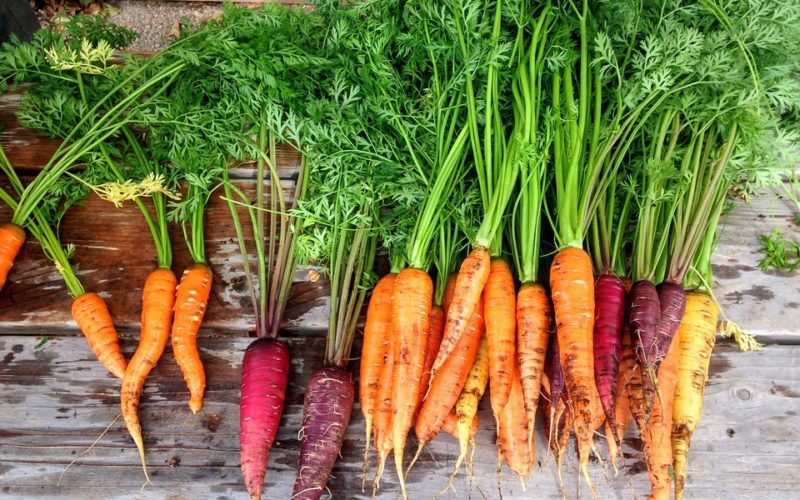
The single biggest upgrade available is swapping the saucepan of water for a hot oven or a screaming pan. High, dry heat triggers the browning reactions that create the deep, savoury flavours our brains read as delicious — the same chemistry behind toast, chips and seared steak. Brussels sprouts halved and roasted until their edges char taste nothing like their boiled cousins; cauliflower becomes nutty, carrots turn sweet as their sugars caramelise, broccoli develops crisp, frazzled florets that get eaten off the tray before dinner. The method could not be simpler: cut vegetables evenly, toss with a little oil and salt, spread them out so they roast rather than steam, and give them serious heat until the edges darken. Those charred, crispy edges are not a sign of failure but exactly what you are aiming for.
Season like you actually want people to eat it
Restaurants make vegetables taste remarkable with three moves home cooks are oddly shy about. First, salt — enough of it, at the right moment; an honest pinch transforms greens, and vegetables salted properly still contain a fraction of the sodium in any processed snack. Second, fat, because fat carries flavour to the tongue: olive oil, a knob of butter, a scatter of parmesan or toasted nuts turns virtue into pleasure while helping the body absorb the vegetables' own nutrients. Third, acid and aromatics — a squeeze of lemon over charred broccoli, garlic sizzled with green beans, chilli, cumin or smoked paprika dusted over roasting cauliflower. A drizzle of honey on roasted carrots or a spoon of peanut sauce beside crunchy raw vegetables borrows sweetness's pulling power for the healthy side of the plate.
Never forget the crunch
Much of junk food's appeal is texture, and mush has lost the argument before flavour gets a hearing. Keep stir-fried and steamed vegetables bright and crisp-tender rather than soft; serve raw peppers, cucumber and sugar snaps cold with hummus when the craving is really for something to crunch; roast chickpeas or kale until genuinely crackly for the snack bowl. Presentation does quiet work too — colours kept vivid and a squeeze of something fresh at the end make a plate that looks as appetising as anything advertising can photograph.
Give the approach a few weeks and something unexpected happens: the palate recalibrates. Taste buds dulled by engineered intensity begin registering the sweetness in a roasted parsnip and the savour in a mushroom, while the hyper-salted snacks start tasting slightly cartoonish. That is the quiet victory available to anyone with an oven tray and a bottle of olive oil. The junk food industry spent billions learning what makes food irresistible, and none of it is patented. Steal the playbook, aim it at a bag of sprouts, and healthy eating stops being a discipline to maintain — it becomes, at last, simply dinner you look forward to.